Technology
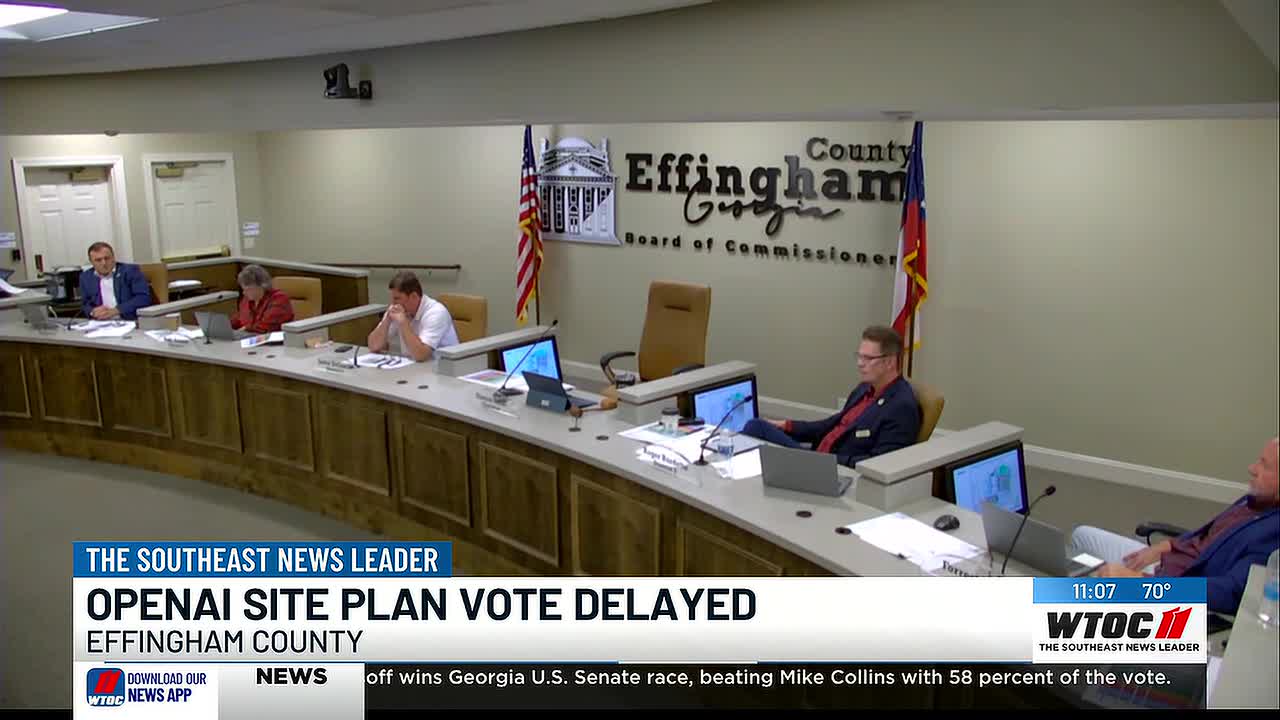
Effingham County delays vote on OpenAI data center site plan
By Aisha Patel
Advertisement · Why this ad?
Derek Jones has been covering education in Savannah for 7 years after earning his degree in Education Journalism from the University of South Carolina. He previously reported for NPR’s local affiliate, where he focused on educational policy and its impact on local schools and students.
More from Derek →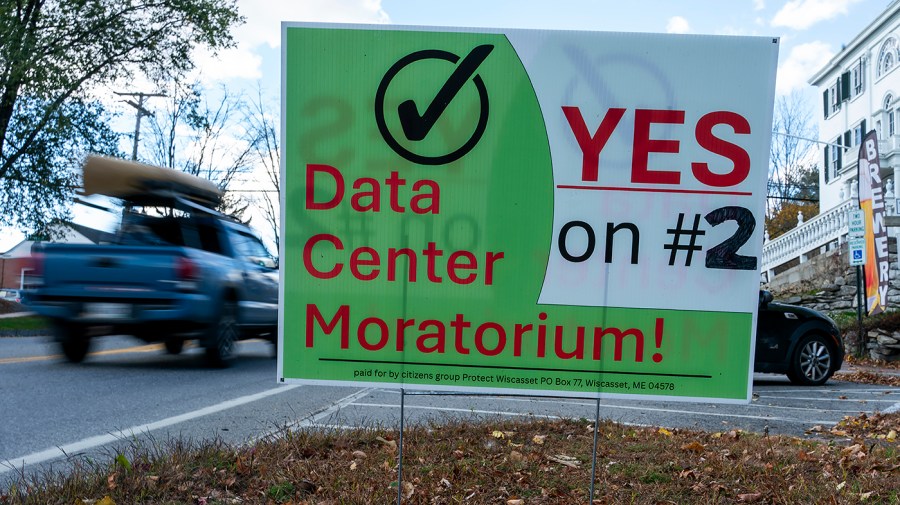
On a crisp November morning, the sound of cheers and applause echoed through the streets of Savannah as a crowd of passionate voters gathered outside polling stations. Many held signs reading "Protect Our Community" and "Say No to Data Centers!" The energy was palpable, a clear indication of the fierce opposition that had emerged against a wave of proposed data centers in the region. As ballots were cast and counted, it became evident that the community's voice had resonated strongly, leading to a decisive rejection of these industrial projects.
In a significant political shift, voters across the nation, including Savannah, expressed their discontent with data centers, which have been touted as essential for technological advancement but perceived by many as detrimental to local communities. During the recent midterm elections, resolutions aimed at halting data center construction were overwhelmingly supported, with voters signaling their desire for more sustainable and community-friendly development. Reports indicate that candidates backed by the data center industry faced severe backlash, losing key races as a result.
In Savannah, the sentiment was clear: the community prioritized preserving its character and environment over the allure of economic promises made by the tech industry. This rejection is not merely a local anomaly; it reflects a broader trend seen in various parts of the country where voters are increasingly wary of the implications of industrial expansion on their neighborhoods.
The response from Savannah residents has been overwhelmingly positive, with many expressing relief and gratitude for the election results. Local advocates, such as community organizer Savannah City Government, emphasized the importance of community engagement in the electoral process. "We came together as a community to voice our concerns, and it paid off. This victory is a testament to our collective power and commitment to safeguarding our home," she stated.
Residents shared their fears surrounding data centers, citing concerns about increased traffic, environmental degradation, and the potential for diminished property values. For families in Savannah, the stakes were high; many believed that allowing data centers would disrupt the fabric of their neighborhoods and the quality of life they cherish. This grassroots movement galvanized voters, leading to a turnout that surprised even seasoned political analysts.
Among those who rallied against the data centers was James Thompson, a local business owner who has lived in Savannah for over two decades. "I love this city. It’s not just about jobs; it’s about preserving the community we’ve built together. We can find better ways to grow without sacrificing our home," he remarked. His sentiment reflects a broader understanding in Savannah that economic development should not come at the cost of community integrity.
As the dust settles post-election, many are looking towards the future with a renewed sense of hope. The community's ability to mobilize and advocate for their interests has set a precedent for future local elections. The data center debate may have been the catalyst, but it has also sparked a larger conversation about the direction of Savannah's growth and development.
Looking ahead, the rejection of data centers in Savannah presents an opportunity for local leaders and residents to explore alternative avenues for economic growth. There is a growing interest in sustainable development practices that prioritize both economic viability and environmental stewardship. Local organizations, such as Savannah Environmental Alliance, are already working on initiatives that promote eco-friendly business practices and community engagement.
Furthermore, the city government is now faced with the responsibility of addressing the community's concerns and exploring development projects that align with residents' values. This could involve investing in green technologies, enhancing public spaces, or supporting local businesses that contribute positively to the community. The recent election results have made it clear that Savannah residents are eager to participate in shaping the future of their city.
In light of the data center rejection, community leaders are advocating for a shift towards industries that are more compatible with Savannah's unique environment and culture. This includes a focus on tourism, arts, and local agriculture, which have historically been the backbone of the region's economy. Initiatives aimed at boosting local artisans and craftspeople can provide job opportunities while maintaining the city's charm. With Savannah's rich history and vibrant culture, there is potential to attract visitors while ensuring that economic growth does not overshadow the community's identity.
The recent election has also sparked interest among younger residents, many of whom are now seeking ways to get involved in local governance. Organizations like the Savannah Young Professionals Network are stepping up to engage this demographic, encouraging them to voice their opinions and participate in community planning. By fostering a culture of civic engagement among the youth, Savannah can ensure that future developments reflect the values and aspirations of all its residents.
The overwhelming rejection of data centers also highlights the importance of community commitment to preserving Savannah's unique character. Families are rallying to ensure that future developments reflect their values and aspirations. As parents and community members come together, they are fostering a culture of collaboration and mutual respect, emphasizing the need for strong marriages and stable families as foundational elements of a thriving community.
In this spirit, local churches and faith-based organizations are stepping up to provide support and guidance for families navigating these changes. By promoting authentic faith and community values, they aim to strengthen the bonds that hold Savannah together. The commitment to family and community is evident as residents unite to protect what they love about their city.
The recent elections in Savannah serve as a powerful reminder of the impact that engaged citizens can have on their local governance. By rejecting data centers, voters have not only voiced their concerns but have also set a course for a more thoughtful approach to development. As Savannah moves forward, the challenge will be to balance growth with the preservation of its cherished community values. This election marks a new chapter for Savannah, one where the voices of its residents will continue to shape the future of their beloved city.
By Aisha Patel
By Tara Nguyen

By Mohammed Ahsan

By James Ramirez