Sports
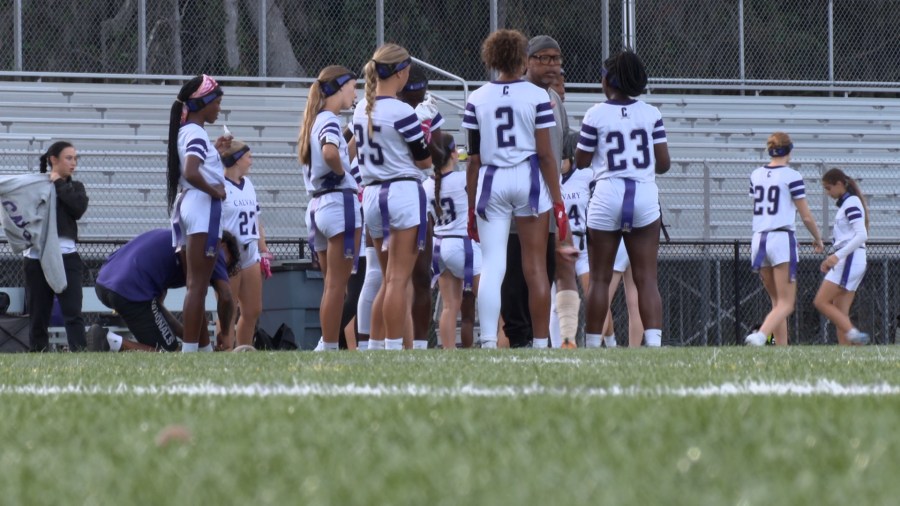
Calvary Day flag football takes home Division I Area 3 title
By Liam Torres
Advertisement · Why this ad?
Aisha Patel is a dynamic sports journalist with a focus on women’s athletics and community sports initiatives, boasting 6 years of experience with The Coastal Courier. She earned her degree in Journalism from Georgia Southern University and is dedicated to highlighting underrepresented athletes and their impactful stories.
More from Aisha →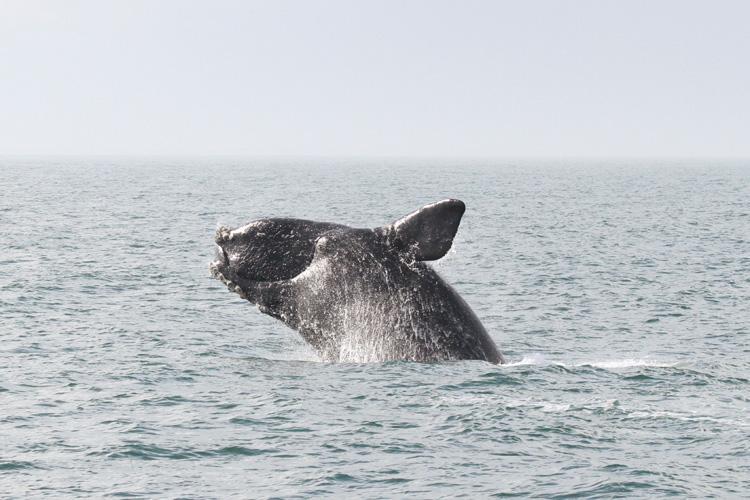
As the sun begins to rise over Tybee Island, casting a golden hue across the tranquil waters, the anticipation builds. Local fishermen, wildlife enthusiasts, and families gather along the shore, eyes scanning the horizon for a glimpse of one of the ocean's most majestic creatures: the North Atlantic right whale. This moment is more than just a seasonal change; it represents a crucial time for conservation efforts and the hope that these magnificent whales will return safely to their calving grounds off the southern coast.
As the calving season approaches, the Georgia coast braces for the arrival of the North Atlantic right whales, a species that has faced severe threats to its survival. The whales typically travel over 1,000 miles from their feeding grounds in New England and Canada to the warmer waters off Georgia and Florida, where they give birth. This annual migration is critical for the species, which is currently classified as critically endangered with fewer than 340 individuals left in existence.
Calving season typically spans from December to April, during which time the whales seek the protection of the shallow waters. The Georgia Department of Natural Resources and various conservation organizations are ramping up efforts to monitor the migration and protect these whales from potential dangers, primarily ship strikes and fishing gear entanglement.
According to Dr. Clay George, a biologist with the Georgia Department of Natural Resources, "Every right whale calf born is a step toward recovery for the species. However, we must stay vigilant to ensure their safety during this critical time." The efforts to protect these whales are not just about saving a species; they reflect a broader commitment to preserving marine ecosystems and the communities that depend on them.
The local community is stepping up to support these conservation efforts. Organizations such as Georgia Wildlife Resources Division and The Whale Trust are collaborating with local fishermen and boaters to raise awareness about the importance of protecting the North Atlantic right whales. Educational programs are being implemented in schools and community centers, emphasizing the role of these whales in the marine ecosystem and the need for sustainable practices.
Local businesses are also getting involved, with some offering whale-watching tours that contribute a portion of their proceeds to conservation efforts. These initiatives not only support the whales but also bolster the local economy, showcasing how environmental stewardship can lead to community benefits.
Community members are passionate about the whales and their role in the ecosystem. “Seeing a right whale is a once-in-a-lifetime experience,” said local fisherman Tom Jenkins. “We all have a responsibility to protect them. They are part of our coastal heritage.” Jenkins, who has lived in the area for over 30 years, recalls the days when right whales were more common, and he hopes that through collective efforts, future generations will have the same opportunities to witness these incredible animals.
Another community member, Sarah Thompson, who leads conservation workshops in local schools, shared, “The children are our future. Teaching them about the right whales and their significance is essential. They need to understand that every action we take can impact these creatures.” Her enthusiasm for marine life resonates deeply within the community, inspiring many to become more involved in conservation efforts.
Technology is playing a crucial role in the conservation of North Atlantic right whales. Innovative tracking systems are being utilized to monitor their movements along the coast. The National Oceanic and Atmospheric Administration (NOAA) has developed advanced aerial surveillance programs that help identify right whale locations and predict their migration patterns. This data is vital for informing shipping routes and reducing the risk of collisions.
Moreover, underwater drones and acoustic monitoring devices are being deployed to gather information about the whales' behaviors and interactions with their environment. This technology not only aids in conservation efforts but also enhances our understanding of marine life and its complexities. Local universities are collaborating with NOAA on research projects, providing students with hands-on experience in marine biology and conservation science.
Despite the advancements in technology and community engagement, significant challenges remain. The primary threats to the North Atlantic right whale population continue to be ship strikes and entanglements in fishing gear. According to NOAA, ship strikes are responsible for a large number of whale fatalities, and entanglements can lead to serious injuries or death.
In 2021, only a handful of calves were born, raising concerns about the future of the species. Conservationists are urging immediate action to implement more stringent regulations for shipping lanes and fishing practices to mitigate these risks. “Time is of the essence,” Dr. George emphasized. “If we don’t act now, we may lose this species forever.”
Legislative measures are being discussed to enhance protections for the North Atlantic right whales. Local lawmakers are advocating for policies that would limit vessel speeds in critical habitats and promote the use of whale-safe fishing gear. These efforts reflect a growing recognition of the need for collaborative action to ensure the survival of this iconic species.
In addition, community forums are being organized to discuss these legislative efforts, allowing residents to voice their opinions and learn more about the implications of proposed laws. This grassroots involvement is crucial for fostering a sense of ownership over local marine resources and ensuring that the community's voice is heard in the decision-making process.
As the calving season begins, the community remains hopeful for the safe arrival of North Atlantic right whales. The commitment to protecting these whales is a testament to the resilience of both the species and the community that supports them. Local organizations are planning events to celebrate the whales, including educational workshops, beach clean-ups, and public awareness campaigns that highlight the importance of marine conservation.
With each passing year, the hope is that the population will stabilize and begin to recover. The dedication of local residents, conservationists, and policymakers is crucial in this journey. As families gather on the beaches of Tybee Island, they are reminded of the beauty of nature and the responsibility that comes with it.
In the words of local conservationist Sarah Thompson, “We are all stewards of this planet. Protecting the North Atlantic right whales is not just about saving a species; it’s about preserving our heritage and ensuring a healthy ocean for generations to come.”
As the community rallies together, the impact of their collective efforts will not only affect the future of the North Atlantic right whales but also serve as a model for other coastal communities facing similar challenges. The collaboration between local organizations, businesses, and residents exemplifies how a unified approach can lead to meaningful change, ensuring that these gentle giants continue to grace our waters for years to come.
By Liam Torres
By Liam Torres

By Devon Wright

By Devon Wright