Government
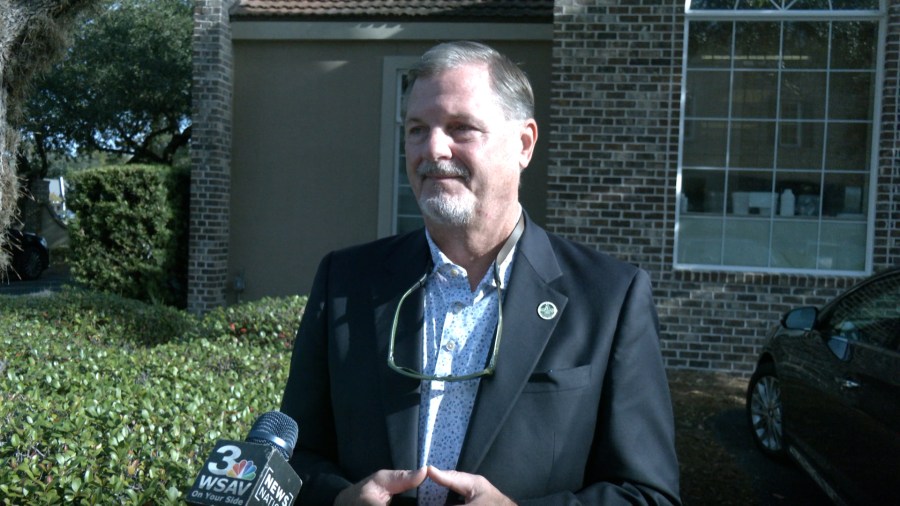
HHI Mayor Alan Perry speaks after winning second term
By Mia Johnson
Advertisement · Why this ad?
Mia Johnson is a seasoned journalist with over 15 years of experience, having served as a political reporter for The Savannah Morning News and NPR’s local affiliate. She holds a Master’s degree in Journalism from the University of Georgia and is an expert in local government affairs and civic engagement. Mia is passionate about fostering transparency and accountability in Savannah’s political landscape.
More from Mia →
On a humid Tuesday afternoon in Savannah, Mayor Van Johnson stood before a gathering of concerned citizens, his brow furrowed with determination. As he unveiled startling statistics regarding traffic collisions involving the Savannah Police Department (SPD), the atmosphere shifted from one of routine civic engagement to a palpable tension. With a firm voice, he declared that SPD officers were at fault for over half of the 437 crashes reported in the last three years. This revelation has not only raised eyebrows but also ignited a crucial conversation about public safety and accountability within the city's law enforcement agency.
During a press conference held on Tuesday, Mayor Johnson presented a detailed analysis of traffic collisions involving police vehicles. According to the data, out of 437 recorded incidents, SPD officers were deemed at fault in 228 cases. This statistic represents a staggering 52% of all crashes attributed to the department. The mayor emphasized the need for transparency and accountability, stating, "We cannot ignore these numbers. They reflect a pattern that we must address to ensure the safety of our community." The data covers a three-year period, highlighting a significant concern regarding the interactions between police vehicles and the public.
The mayor's report comes on the heels of increased scrutiny of police practices nationwide, making Savannah's situation particularly relevant. As cities across the country grapple with the implications of police conduct, the local community is left questioning how these statistics reflect on their own safety. Mayor Johnson's commitment to addressing these issues head-on is a testament to his leadership and dedication to the residents of Savannah.
In the wake of these revelations, the SPD has expressed a willingness to collaborate with city officials to address the concerning trend. SPD Chief Roy Minter acknowledged the findings, stating, "We take these statistics seriously and are committed to improving our practices to ensure the safety of all road users." This acknowledgment marks a critical step towards fostering a more transparent relationship between law enforcement and the community.
The community's response to Mayor Johnson's announcement has been a mixture of shock and concern. Local residents, many of whom have witnessed or experienced traffic incidents involving police vehicles, have voiced their unease. Savannah resident Angela Smith, who has lived in the city for over a decade, expressed her frustration, saying, "It's alarming to think that those who are supposed to protect us are causing more accidents than anyone else. We need to feel safe on our streets, and this doesn't help."
Community leaders and organizations have also weighed in on the matter. The Savannah Chamber of Commerce issued a statement urging for immediate action to address the safety concerns raised by the mayor's report. They emphasized the importance of a safe environment for businesses and residents alike, stating, "A city that prioritizes safety is a city that thrives. We must work together to ensure that our streets are safe for everyone." This sentiment resonates deeply within the community, reflecting a collective desire for accountability and change.
Advocacy groups focused on traffic safety have also joined the conversation, calling for a thorough review of SPD's training and policies. The Savannah Traffic Safety Coalition released a statement highlighting the need for enhanced training for officers, particularly regarding safe driving practices in high-pressure situations. Their spokesperson noted, "We recognize the challenges officers face, but we must ensure that they are equipped with the skills necessary to navigate our streets safely. Our community deserves nothing less." This call for reform underscores the need for a collaborative approach to road safety.
Looking ahead, Mayor Johnson has outlined a plan to address the alarming statistics and improve road safety in Savannah. The mayor is advocating for the implementation of a comprehensive review of SPD's driving policies and training programs. He aims to establish a task force dedicated to assessing the current practices and recommending necessary changes to enhance safety.
In addition, the mayor has proposed community engagement forums to involve residents in the discussion surrounding traffic safety. These forums will serve as a platform for citizens to voice their concerns, share experiences, and collaborate on potential solutions. Mayor Johnson stated, "We need to hear from our community. Their voices matter in shaping the future of our city's safety protocols." This proactive approach aims to foster a sense of ownership among residents, encouraging them to take an active role in the safety of their streets.
To further enhance transparency, the SPD plans to release monthly updates on traffic incidents involving police vehicles. This initiative aims to keep the community informed and engaged in ongoing efforts to improve safety. By providing regular updates, the department hopes to build trust and demonstrate accountability to the residents of Savannah.
As the city moves forward, it is clear that addressing the issue of police-involved traffic accidents will require a concerted effort from all stakeholders. The collaboration between city officials, law enforcement, and community members will be essential in creating a safer environment for everyone.
The implications of these findings extend beyond mere statistics; they resonate deeply within the fabric of Savannah's community. The city's rich history, vibrant culture, and tight-knit neighborhoods are all affected by the relationship between law enforcement and residents. In a city where tourism plays a significant role in the economy, the perception of safety is paramount. Visitors and residents alike must feel secure while traversing the historic streets of Savannah.
Local business owner Marcus Reynolds echoed the community's concerns, stating, "If people don't feel safe, they won't come here. That impacts not just the businesses but the entire community. We need to work together to make sure everyone feels secure, whether they're residents or visitors." This sentiment is shared by many in the business sector, highlighting the economic stakes tied to public safety.
In light of the alarming statistics, Mayor Johnson's administration is also looking into potential partnerships with local universities and organizations specializing in traffic safety and law enforcement training. By leveraging academic resources and expertise, the city hopes to develop innovative training programs that address the unique challenges faced by officers on the streets. This collaborative effort could pave the way for a more effective approach to police training, emphasizing community engagement and safety.
Moreover, the mayor's office plans to establish a community advisory board consisting of residents, local leaders, and law enforcement representatives. This board will serve as a forum for ongoing dialogue and feedback regarding police practices and community safety initiatives. By including diverse voices in the conversation, the city aims to create a more inclusive approach to public safety.
Mayor Van Johnson's revelations regarding the Savannah Police Department's involvement in traffic accidents have sparked a necessary dialogue about accountability and safety in the community. With over half of the reported crashes attributed to SPD vehicles, the mayor's commitment to addressing these issues is commendable. As Savannah residents rally for change, the collaborative efforts between city officials, law enforcement, and advocacy groups will be crucial in shaping the future of road safety in the city.
The road ahead is one of opportunity and responsibility. By engaging the community in discussions about traffic safety and implementing necessary reforms, Savannah can work towards a future where residents feel secure on their streets. As Mayor Johnson aptly noted, "Together, we can create a safer Savannah for all." The commitment to transparency, accountability, and community engagement will ultimately pave the way for a brighter, safer future.
By Mia Johnson

By Mia Johnson
By Gregory Patel
By Mia Johnson