Community
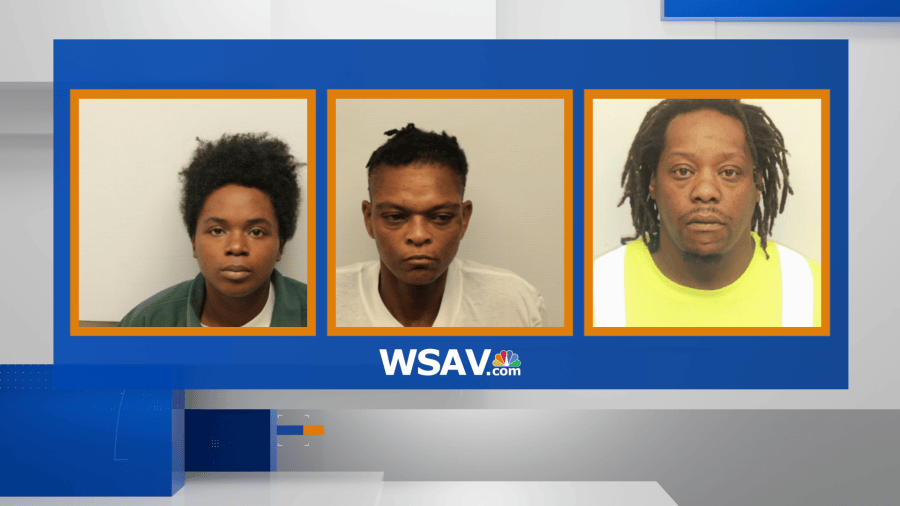
Jury indicts 3 after police find baby in Savannah trash can
By Emily Tran
Advertisement · Why this ad?
Tara Nguyen is an experienced community reporter, with a focus on social justice and grassroots movements in Savannah, having worked for the Savannah Tribune for 5 years. She earned her degree from Georgia State University and is passionate about amplifying the voices of those often overlooked in the media.
More from Tara →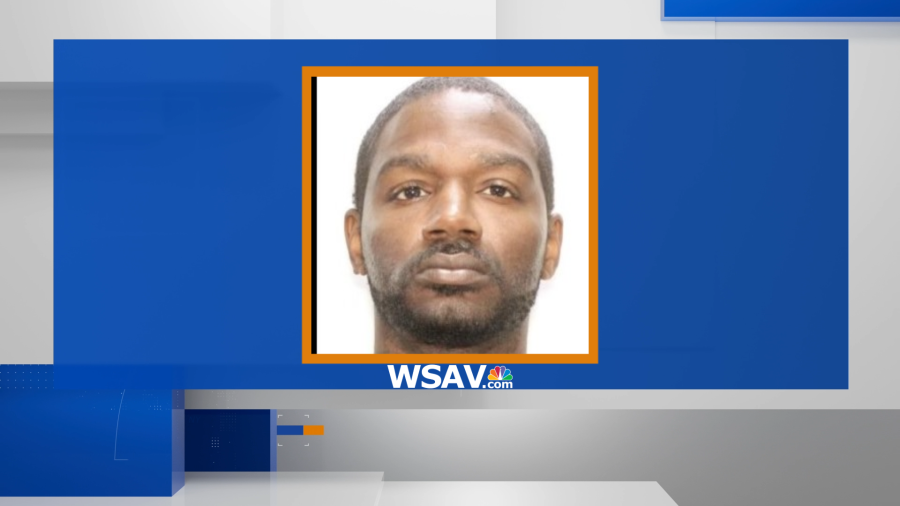
As the sun began to set over Savannah, casting a warm glow on the historic streets, tragedy was unfolding behind closed doors. In a quiet neighborhood, the life of 20-year-old Marcus Johnson was cut short, leaving his family and friends grappling with the harsh reality of loss. The echoes of laughter that once filled the air have been replaced by sorrow as the community mourns the senseless violence that took Marcus too soon.
On a fateful evening in October, Marcus was shot and killed, an act that has now led to the indictment of James Smith, a man with a troubling past of multiple felony convictions. On Wednesday, the Chatham County Grand Jury formally charged Smith with murder and other related offenses. This indictment comes as a beacon of hope for Marcus's family, who have been seeking justice since that harrowing night.
The incident occurred on October 15, when gunfire erupted in the vicinity of East 36th Street. Witnesses reported hearing several shots, followed by the sight of Marcus collapsing to the ground. Emergency responders arrived swiftly, but despite their efforts, they were unable to save him. The news of his death sent shockwaves through the community, a stark reminder that violence can strike anywhere, even in the most peaceful of neighborhoods.
The community's response to this tragedy has been one of profound grief and outrage. Friends and family of Marcus gathered for a candlelight vigil shortly after his passing, lighting candles and sharing memories of a young man whose life was filled with promise. Lisa Johnson, Marcus's mother, stood among the crowd, tears streaming down her face as she pleaded for justice. "He was my baby, and he didn’t deserve this. We need to come together to stop the violence in our streets," she said, her voice breaking with emotion.
In addition to family and friends, many community members who did not know Marcus personally attended the vigil, demonstrating the widespread impact of his death. Local businesses contributed to the event by providing refreshments and supplies, showcasing the solidarity within the community. Tommy Rivers, a local shop owner, expressed his sorrow, stating, "This could have happened to anyone's child. We all need to support each other in these times of loss."
The vigil was not just a memorial; it was a rallying cry for change. Community leaders and activists joined the family in demanding action against gun violence. Rev. James Carter, a local pastor, addressed the crowd, urging them to unite in the face of adversity. "We cannot let fear dictate our lives. We must stand together to protect our children and our neighborhoods," he said, his voice resonating with conviction.
Organizations such as the City of Savannah and local nonprofits have stepped in to offer support, providing resources for those affected by violence and advocating for policies aimed at reducing gun-related incidents. The community is coming together, recognizing that this tragedy is not just about one young man but about the collective responsibility to ensure safety and security for all.
In the days following the vigil, a coalition of local organizations began planning a series of community forums aimed at discussing how to address the root causes of violence. These forums will provide a platform for residents to voice their concerns, share their experiences, and collaborate on actionable solutions. Maria Gonzalez, a community organizer, emphasized the importance of these discussions: "We need to create spaces where people feel safe to express their fears and hopes for a better future."
The impact of violence extends far beyond the immediate victims. Families are shattered, communities are fractured, and the fabric of society is tested. The loss of Marcus Johnson is a painful reminder of the broader issue of gun violence that plagues cities across the nation. According to the Centers for Disease Control and Prevention, firearm-related deaths have been on the rise, underscoring the urgent need for comprehensive solutions.
In Savannah, the statistics are alarming. The city has seen an increase in gun violence in recent years, prompting local leaders to call for a multi-faceted approach to address the root causes. Programs focusing on education, community engagement, and mental health support are essential in creating a safer environment for future generations. Councilwoman Sarah Thompson has been vocal about the need for more resources dedicated to youth programs, stating, "Investing in our children is investing in our future. We need to provide them with the tools to succeed and the support to thrive."
As the legal proceedings against James Smith unfold, the community is left to grapple with the aftermath of this tragedy. The indictment is a critical step towards justice, but it also serves as a catalyst for change. Community leaders are urging residents to get involved, whether through attending city council meetings, participating in local initiatives, or simply reaching out to their neighbors.
Marcus's family is determined to honor his memory by advocating for change. They are working with local organizations to create awareness about the impact of gun violence and to promote peaceful conflict resolution. Lisa Johnson has become a passionate advocate, speaking at events and sharing her story in hopes of preventing other families from experiencing the same heartache. "I want to make sure that Marcus's death was not in vain. We have to fight for a safer community for all our children," she declared during a recent town hall meeting.
Looking ahead, the community of Savannah has the opportunity to unite and build a safer future. Initiatives aimed at fostering positive relationships among residents, particularly the youth, can help to break the cycle of violence. Programs that promote mentorship, education, and community service can instill a sense of purpose and belonging in young people.
Moreover, faith-based organizations are stepping up to play a pivotal role in this movement. Churches across Savannah are hosting workshops and discussions focused on healing and reconciliation, emphasizing the importance of strong families and community ties. As Rev. Carter stated, "When we come together in faith and love, we can overcome even the darkest of times. We have to believe in a better tomorrow."
In addition to church initiatives, local schools are collaborating with community leaders to implement anti-violence programs aimed at educating students about the consequences of gun violence and the importance of conflict resolution. Principal Angela Moore noted, "We have a responsibility to teach our children not just academics, but also how to navigate their emotions and resolve disputes peacefully."
The indictment of James Smith marks a significant moment in the fight against violence in Savannah, but it is only the beginning. The community must rally together to ensure that Marcus Johnson's life, though tragically cut short, serves as a catalyst for change. By coming together in solidarity and compassion, Savannah can work towards a future where families are safe, children can thrive, and the American dream remains alive for all. Let us honor Marcus by committing to a path of peace, understanding, and love.
By Emily Tran

By Emily Tran
By Tara Nguyen

By Tara Nguyen