
Technology
SPD investigates shooting that injured 2 men at Whitaker and St. Julian streets
By Tara Nguyen
Advertisement · Why this ad?
Jordan Lee has spent over a decade chronicling Savannah’s vibrant arts scene, having previously worked at Creative Loafing Savannah and the Atlanta Journal-Constitution. A graduate of Georgia State University, Jordan blends a background in art history with journalism to offer rich, compelling narratives about local artists and cultural events.
More from Jordan →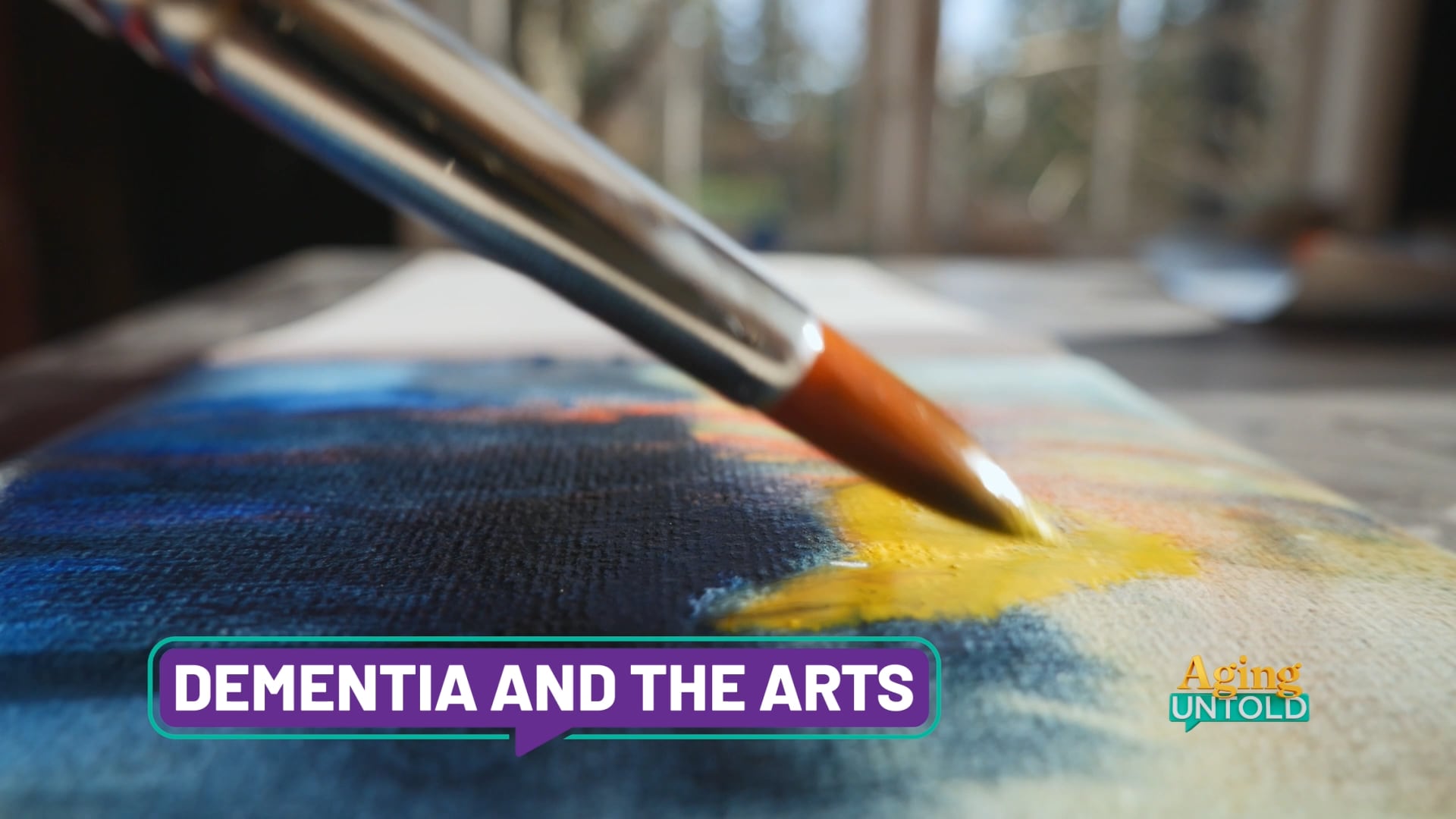
There's a profound beauty in watching a loved one reconnect with joy, even as memory fades. I recently witnessed a moment that crystallized this truth: a gentleman, largely withdrawn for months, began humming along to a familiar gospel hymn during a simple sing-along session. The spark in his eyes, the gentle sway of his body – it was a glimpse of the man he once was, momentarily resurrected by the power of music. Dementia can rob us of so much, but it doesn’t steal the ability to feel, to experience beauty, and to connect with the deep wellsprings of emotion. And as experts in Savannah are discovering, harnessing the power of art and music can be a vital tool in supporting those living with this challenging condition.
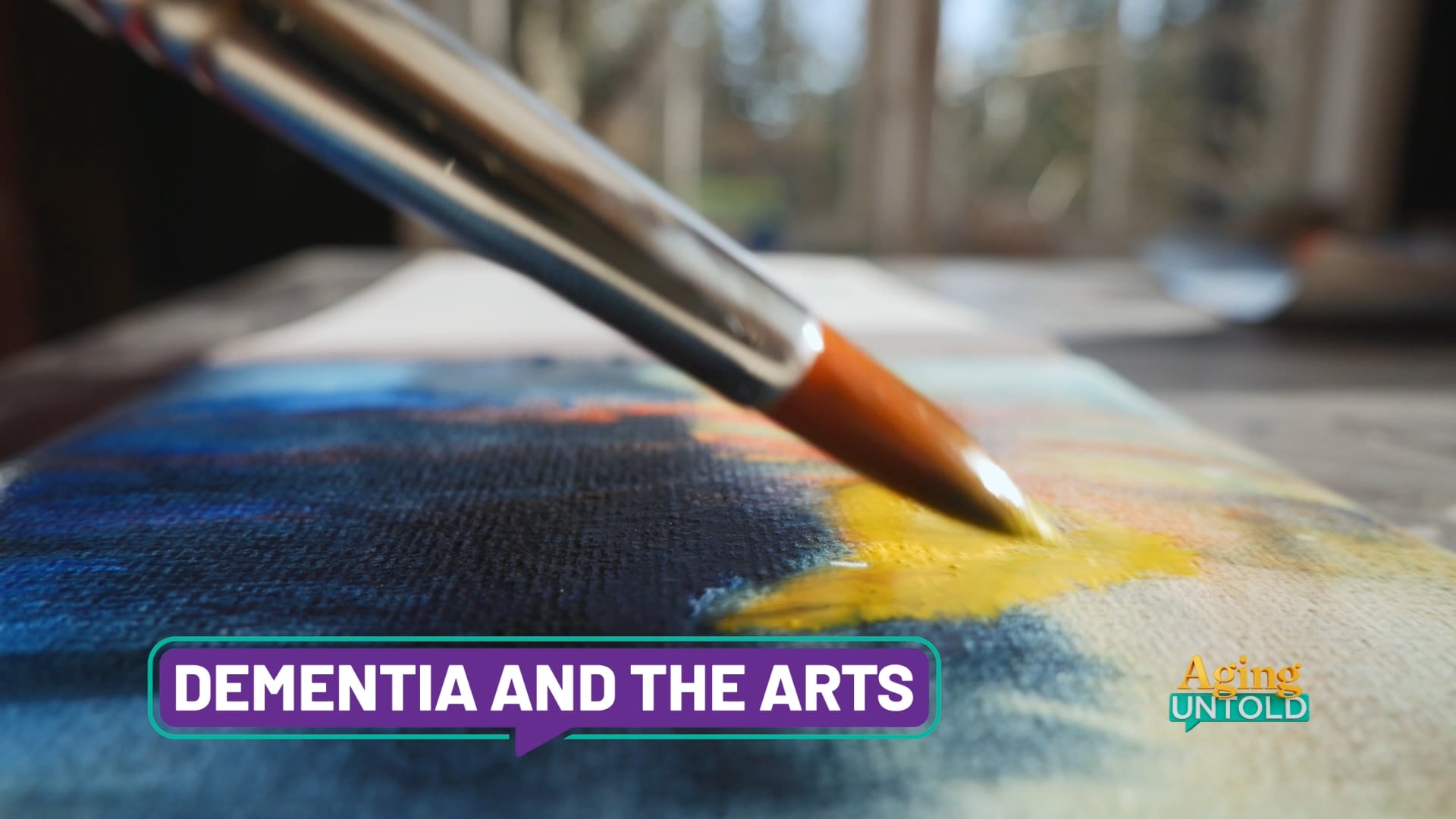
The concept of engaging individuals with dementia through creative outlets – music, dance, poetry, storytelling, and art – is gaining traction as a powerful therapeutic approach. While these activities don't cure dementia, they offer a valuable way to support mood, dignity, and connection. Amy O’Rourke, an aging expert, emphasizes the importance of local resources, suggesting families search for programs like “Dance and dementia,” “Arts and dementia,” and “Music and dementia.” O’Rourke recalls a heartwarming experience from her early career as an activity director where residents participated in a bell choir. “Each resident had a bell and the director would point, and you could just see the impact it had on them,” O’Rourke said. This highlights the potential for music to evoke long-held memories and emotions, even in the face of cognitive decline.
The beauty of these therapies lies in their accessibility and potential for surprising results. One caregiver, as described by O’Rourke, saw her client begin creating watercolors and drawings in an art class – despite never having engaged in any artistic pursuits before. “She had never done art before. She had never drawn. She had never done any kind of artwork at all,” O’Rourke noted. This underscores the crucial point: “Don’t put any expectation on someone with a memory impairment. Anything is possible.” The key is to approach these activities with an open heart and a willingness to witness the unexpected.
Gerontologist “Sam” Cradduck further explains that the arts often engage a different part of the brain, potentially accessing long-term memories that remain untouched by the disease. “You’re tapping into something that maybe hasn’t been affected yet,” Cradduck said. She points to the use of smells and long-term memories, such as the old gospels, which can trigger powerful emotional responses. Cradduck shared a compelling anecdote about Naomi Feil, considered the “mother of the validation technique” in dementia training, and a patient who hadn't spoken in years, but spontaneously began singing “Jesus Loves You” when exposed to music. This illustrates how the arts can unlock core memories and moments of profound connection.
The community of Savannah has taken note of these findings. Local caregivers and families are exploring ways to incorporate music and art into their routines. Dr. Rhea Rogers, a board-certified physician, explains that the arts provide a unique outlet for expression. “They find a different way to tell the story,” she says. “In terms of creativity and the arts, that is a different area of the brain and a lot of times it’s not impacted by dementia.” Aging well coach Katherine Ambrose adds that these activities offer a calming and expressive outlet, benefiting both the individual and their caregivers. “It gives you a peaceful activity that everyone can be a part of,” Ambrose said. She emphasizes that while these activities may not cure dementia, they can significantly enhance the quality of life for those affected and their loved ones.
Beyond the cognitive benefits, these artistic activities offer a profound sense of calm and well-being. Ambrose highlights the importance of this calming effect, noting that it can be particularly beneficial for caregivers who are often overwhelmed by the demands of caregiving. “Sometimes it can be agitating, but most of the time it’s worth trying because it can be something really powerful for therapy and a powerful form of care,” she said. The shared experience of creating art or listening to music can foster a sense of connection and reduce stress for everyone involved.
For families and caregivers in Savannah, O’Rourke recommends starting by looking locally for resources. “Dance and dementia. Arts and dementia. Music and dementia,” she suggests. Local organizations are stepping up to provide these vital services. The Savannah Ballet offers dance classes, while the Georgia College Music Department provides music programs. The Alzheimer’s Association Savannah Chapter also offers support and resources for families navigating the complexities of dementia.
Watching my own grandparents age, I’ve seen firsthand the devastating effects of memory loss. It’s a slow erosion of identity, a heartbreaking disconnect from the world they once knew. But what I've also witnessed is the remarkable resilience of the human spirit, its capacity to find joy and connection even in the face of profound loss. These artistic therapies offer a lifeline, a way to tap into that enduring spirit and rekindle moments of beauty and connection. It’s a reminder that even when words fail, music and art can speak volumes.
Cradduck adds, “You can feel beauty and you can feel rhythm.” This sentiment resonates with the broader community, highlighting the enduring human capacity to experience beauty and connection despite cognitive challenges. Dementia can take away a person’s abilities, but it does not remove a person’s ability to feel.
The benefits of incorporating music and art into the lives of individuals with dementia are clear: they offer a pathway to emotional connection, cognitive stimulation, and a sense of peace. To help families in Savannah navigate this journey, here are some key takeaways and resources:
For more information and support, consider contacting the following resources:
The information provided in this article is intended for educational and informational purposes only and does not constitute medical advice. Always consult with a qualified healthcare professional for any health concerns or before making any decisions related to your health or treatment. Copyright 2026 Gray Media Group, Inc. All Rights Reserved.
By Tara Nguyen

By Aisha Patel
By Mohammed Ahsan

By Derek Jones