
Health
Some patients are choosing self-pay alternatives to medical insurance
By Jordan Lee
Advertisement · Why this ad?
Aisha Patel is a dynamic sports journalist with a focus on women’s athletics and community sports initiatives, boasting 6 years of experience with The Coastal Courier. She earned her degree in Journalism from Georgia Southern University and is dedicated to highlighting underrepresented athletes and their impactful stories.
More from Aisha →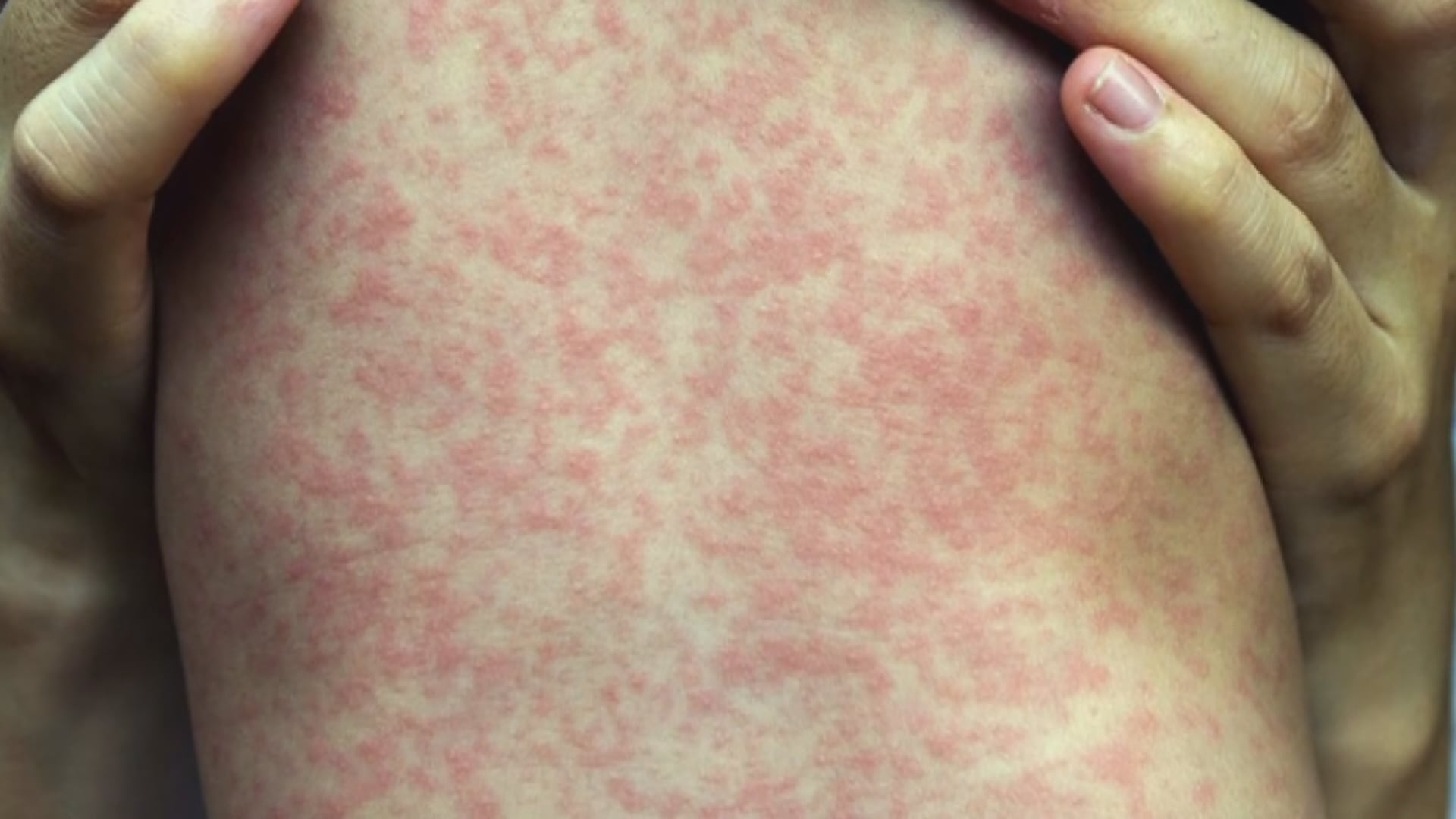
The laughter of a child, the warmth of family – these are the simple joys we cherish. But for some families in our community and across the nation, those joys have been shadowed by a preventable illness: measles. The Centers for Disease Control and Prevention (CDC) recently reported 4,852 measles cases in the U.S. between January 1 and October 30, 2026, marking the highest number since the 1989-1991 outbreak and representing a concerning 35-year high. This resurgence of a disease largely eradicated through vaccination serves as a powerful reminder of the importance of community health and the enduring strength of families facing adversity. Learn more about measles from the CDC.
The 1989-1991 measles outbreak, which ultimately resulted in over 55,000 cases and 450 deaths nationwide, was a stark reminder of the disease's potential for devastation. To put the current numbers in perspective, the CDC estimates that before widespread vaccination, measles infected nearly 3 to 4 million people in the United States each year, leading to approximately 500 to 1,000 deaths annually. The dramatic decline in measles cases following the introduction of the MMR vaccine in 1963 is a testament to the power of public health interventions. South Carolina, like many states, has seen a recent uptick in measles cases, highlighting the fragility of this progress and the importance of sustained vaccination efforts.
The statistics surrounding measles outbreaks can feel abstract, but the reality is deeply personal for those affected. The stories of Christine Castle and Emmi Herman, shared in recent reports, offer a heartbreaking glimpse into the long-term consequences of this preventable disease. Castle’s sister, Fonda, born during the rubella epidemic of the 1960s, lives with severe developmental delays. Rubella, while distinct from measles, shares similar symptoms and poses a significant risk during pregnancy. Between 1965 and 1966, the National Foundation for Infectious Diseases estimates that over 11,000 pregnant women lost their babies and 20,000 children were born with congenital rubella syndrome, a tragedy that continues to impact families like Castle’s. Fonda's condition underscores the potential for devastating birth defects when a mother contracts a viral infection during pregnancy, a risk that highlights the importance of preventative measures like vaccination.
Similarly, Herman’s sister, Marcie, suffered encephalitis – inflammation of the brain – after contracting measles in 1960. This complication, occurring in approximately 1 in 1,000 measles cases according to the CDC, left Marcie with lasting neurological and mental health challenges. Her journey through rehabilitation, relearning basic skills like walking and feeding herself, and the subsequent struggles she faced until her passing from COVID-19 in 2020, paint a vivid picture of the profound and enduring impact of measles.
While the overwhelming majority of medical professionals advocate for the MMR vaccine as a safe and effective preventative measure, concerns about vaccine safety persist for some families. Deidre Downs’ experience with her daughter, Shaylee, exemplifies this complex issue. Following Shaylee’s MMR vaccination in 2024, she developed immune thrombocytopenia purpura (ITP), a rare blood disorder. While the CDC acknowledges that ITP can occur after vaccination (approximately 1 in 40,000 cases), Downs’ personal experience understandably fuels her hesitancy. This highlights the delicate balance between the benefits of vaccination and the potential, albeit rare, adverse reactions. It’s crucial to acknowledge these concerns with empathy and provide families with accurate information from trusted medical sources.
The recent measles outbreak in South Carolina underscores the vulnerability of even communities with relatively high vaccination rates. The first case was reported on July 9, 2025, and by October 1, 2025, five linked cases had been confirmed, triggering a public health investigation. The outbreak peaked in mid-January 2026, with hundreds of individuals placed in quarantine or isolation. The declaration of the outbreak’s end on April 26, 2026, followed an aggressive vaccination campaign spearheaded by the S.C. Department of Public Health. The fact that 997 people contracted measles during this period demonstrates the rapid spread of the disease and the challenges in containing outbreaks, particularly in areas with pockets of unvaccinated individuals.
The state’s response, led by Chief Medical Officer Dr. Brannon Traxler, involved innovative outreach strategies aimed at increasing vaccination rates. These efforts included partnerships with faith-based organizations like Mount Moriah Baptist Church in Spartanburg, where a mobile vaccine unit significantly increased MMR vaccinations – a 94% year-over-year increase. This demonstrates the power of community engagement in addressing public health concerns and reaching underserved populations. The fact that over 93% of the 997 cases during the outbreak were among unvaccinated individuals reinforces the critical role of vaccination in preventing measles transmission.
Disclaimer: Bulldog Current strives to provide accurate and timely information. This article is for informational purposes only and does not constitute medical advice. Please consult with a qualified healthcare professional for any health concerns or before making any decisions related to your health or treatment.
By Jordan Lee
By Tara Nguyen

By Sofia Delgado

By James Ramirez