Real Estate
As Americans get older, the need for ‘aging-ready’ homes grows
By Margaret
Advertisement · Why this ad?
Sofia Delgado is an up-and-coming journalist specializing in local business development, with 3 years of experience at the Savannah Business Journal. She graduated from Emory University with a degree in Business Administration and has a strong understanding of economic trends affecting the region.
More from Sofia →
The scent of honeysuckle and azaleas hangs heavy in the Savannah air, a familiar comfort for many long-time residents. But behind the beauty, a quiet shift is underway, one that speaks to the changing demographics of our community and the nation as a whole. As Americans age, the demand for homes designed to accommodate those years is growing, and a recent report highlights a potential shortfall in what’s available—a challenge that touches families across Savannah and beyond. The need for what’s being called “aging-ready” homes is becoming increasingly apparent, prompting conversations about how we can best support our neighbors and loved ones as they navigate their later years.
A recent study, reported by InvestigateTV, reveals a concerning trend: America’s aging population may soon outstrip the supply of homes designed to meet their needs. In 2019, approximately one in six Americans were 65 or older, and this figure is projected to rise to one in four by 2060. This demographic shift is placing increased pressure on the housing market, particularly for those seeking homes that allow them to age in place. According to a 2019 U.S. Census data analysis, “the stock of aging-ready homes across the nation may be inadequate for the growing number of older households.” The Census defines these “aging-ready” homes as dwellings featuring a bedroom and full bathroom on the first floor, along with a step-free entryway—features that significantly enhance accessibility and safety for older adults. The U.S. Census Bureau provides valuable data on population trends and housing characteristics, offering insights into the evolving needs of our communities.
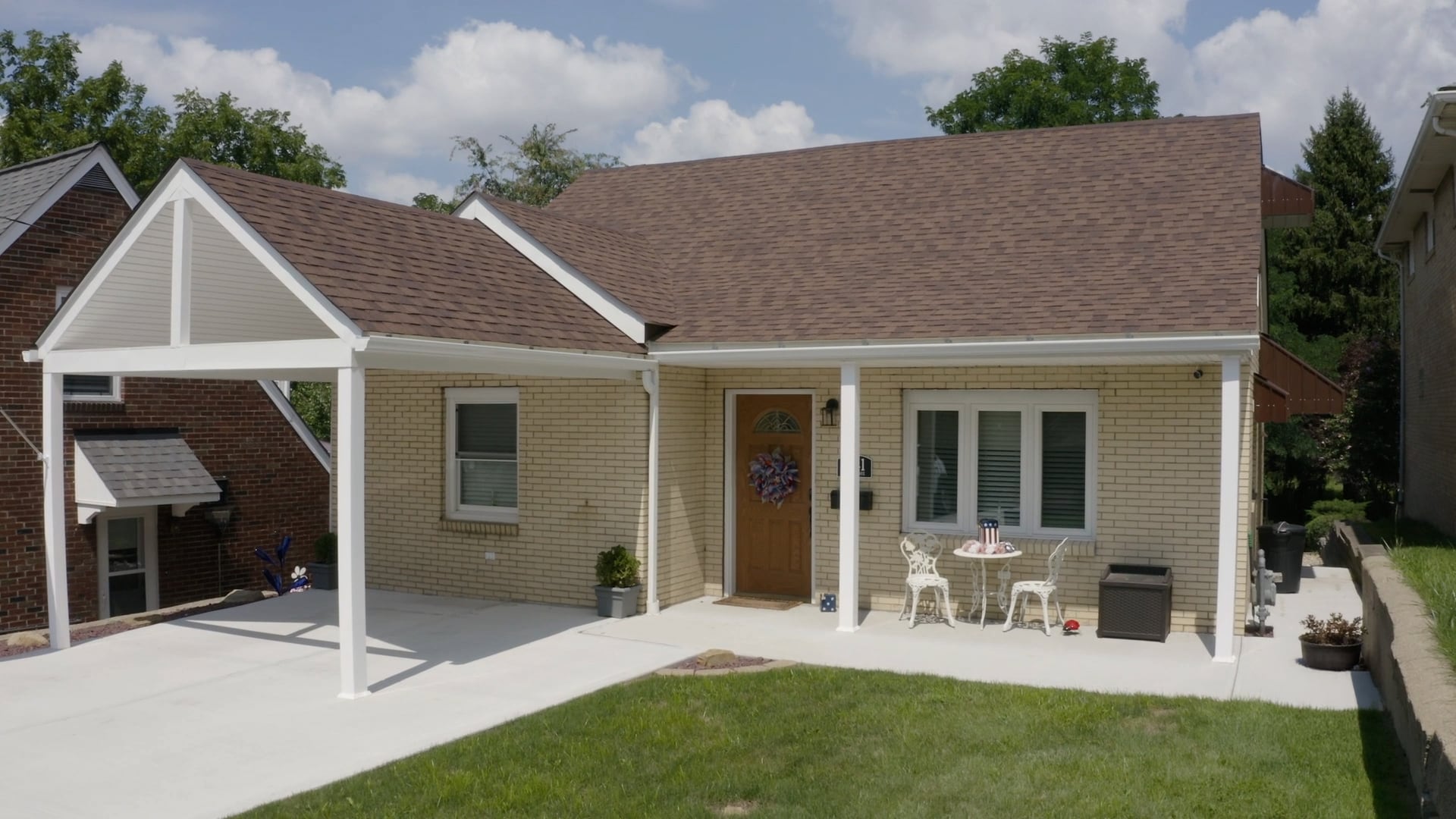
This isn’t just a national phenomenon; it’s a reality impacting families right here in Savannah. Heather Simon, a mortgage lender with 35 years of experience, has observed this change firsthand. “In the last six to seven years, I’ve seen a change in what my clients need in a home,” she noted. Many couples who have lived in their homes for decades are finding that their current residences—often multi-level and spacious—no longer meet their needs as they age. They are seeking single-level homes, often smaller in size, with features like a master suite on the first floor, wider hallways, fewer stairs, and zero-step showers.
Beth Powell, owner of Home with Heart, echoes Simon's observations. She assists clients with downsizing and acknowledges the scarcity of suitable options. “There’s inventory out there, but not that helps the aging population,” she stated. The challenge isn't just about finding a place to live; it’s about ensuring that those homes are safe, accessible, and financially sustainable for older adults, particularly those who have already paid off their mortgages and are hesitant to take on new debt.
The decision to downsize or modify a home is rarely a simple one. Simon emphasizes the emotional weight of such transitions. “If you have a couple that have lived in their house for 30, 40, 50 years and they’ve lived in this 5,000 square foot house and now they have to downsize to a 2,000 square foot house. That’s a huge transition. And it’s a very emotional transition and it is also something that takes months of planning.” The prospect of leaving a home filled with memories and downsizing significantly can be daunting, especially for those on fixed incomes. The financial considerations are also significant, as moving or retrofitting a home can be costly.
Both Simon and Powell stress the importance of proactive planning and open communication within families. “The best advice is to work with a team that can spend the time to find the right fit for everyone,” Powell said. Experts recommend that families engage in conversations about housing needs *before* a crisis occurs—before a fall or other health event forces a rushed and potentially less-than-ideal decision. Waiting for an emergency often leads to more expensive and limited options. Simon explains, “Couples that have maybe lived in their house for 30-plus years, and their house no longer is conducive for them to be able to live in it, like multiple levels. It seems to be a problem.”
As the demand for aging-ready homes continues to grow, several trends are likely to emerge. One is the increased prevalence of retrofitting existing homes to accommodate multiple generations. This might involve adding a first-floor bedroom and bathroom, widening doorways, or installing ramps and grab bars. Another trend is the rise of multi-generational housing, where families live together or in close proximity to provide support and care for older relatives. This model can offer both financial and emotional benefits, allowing families to share resources and maintain close connections.
The Savannah area, with its rich history and strong sense of community, is well-positioned to address this challenge. Local resources, such as the City of Savannah and Chatham County government websites, offer information on housing assistance programs and senior services. Additionally, local contractors and home improvement stores can provide guidance on retrofitting options. The Savannah Chamber of Commerce can connect residents with local businesses specializing in senior-friendly home modifications.
The growing need for aging-ready homes isn’t just a real estate issue; it’s a reflection of our values as a community. It speaks to our commitment to caring for our elders and ensuring they can age with dignity and independence. The statistics are stark: as the proportion of older adults increases, the potential for housing shortages becomes a significant concern. While retrofitting existing homes and exploring multi-generational living are valuable solutions, we need to encourage developers to prioritize building homes with accessibility in mind from the outset.
What really struck me from speaking with professionals like Simon and Powell is the emotional toll that downsizing takes on families. It’s a disruption of deeply ingrained routines and a letting go of cherished memories. As a community, we can support these families by fostering open communication, providing resources for financial planning, and celebrating the importance of intergenerational connections. Strong families are the bedrock of our society, and ensuring that our older generations have safe, accessible, and affordable housing is an investment in the future of our community.
The rise in demand for these types of homes also highlights the importance of financial literacy and careful planning, especially for those on fixed incomes. While the desire to remain in a familiar home is understandable, it’s crucial to realistically assess the financial implications of aging in place versus exploring alternative options. Questions remain: How can we incentivize builders to prioritize accessibility in new construction? How can we better support families navigating these complex decisions?
Navigating the complexities of senior housing can be overwhelming. Here are some resources available to Savannah residents:
By working together and proactively addressing this challenge, we can ensure that Savannah remains a welcoming and supportive community for all ages.
By Margaret

By Rafael Martinez

By Cynthia Blake

By Mohammed Ahsan